Clip 1 · Computer Vision
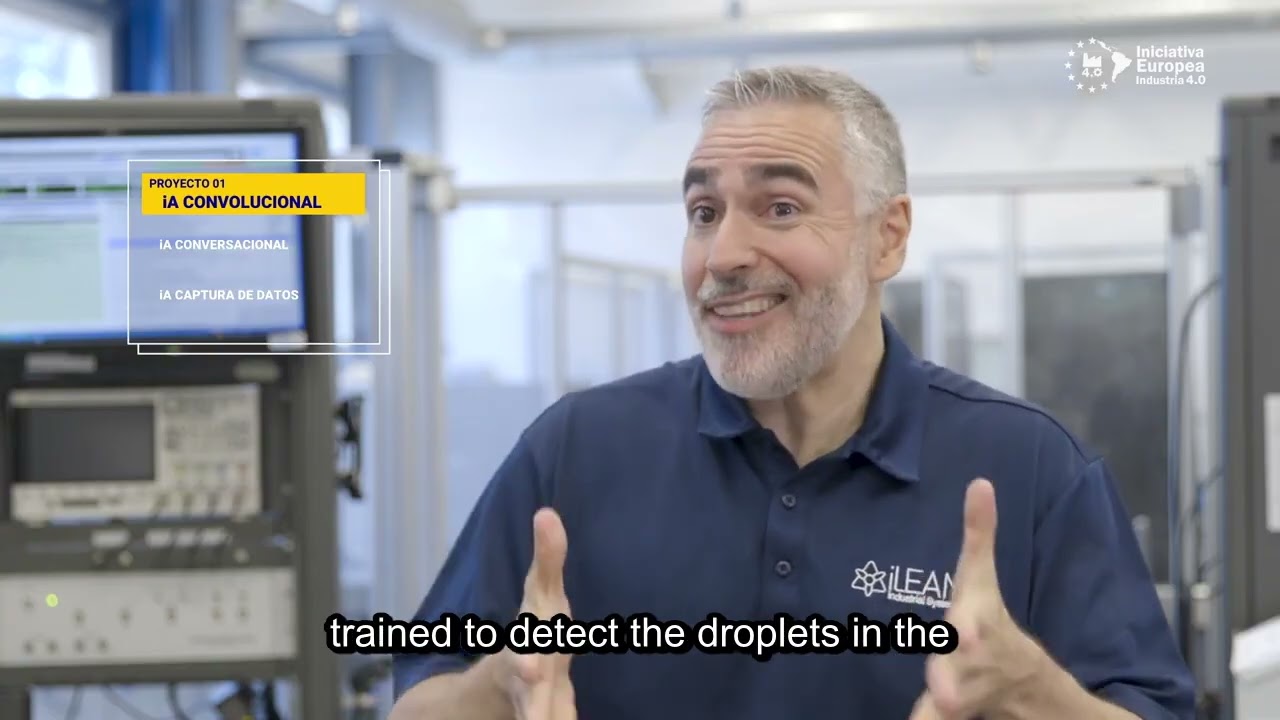
CNN detecting oil leaks in a landing gear piston
A convolutional neural network detecting defects in the production of aerospace parts in real time, directly on the line.
Real case · 2021 · before GPT
A documentary filmed by the Iniciativa Europea 4.0 in an aerospace plant. 15-minute film + 4 themed clips so you can jump straight to what matters.
Many people believe AI is something that just arrived… but that's not the case at all.
The AI engineers of my generation have been deploying AI systems in factories since the late 90s, when we still wrote in LISP, the language of John McCarthy (the man who coined the term "artificial intelligence").
It's true that those projects were what we called "narrow AI": designed to solve a single specific problem, not generalists. And it's true that for decades AI stayed largely confined to industry, until LLMs arrived. But it's also true that… the fundamentals and the key applications of an industrial AI deployment have not changed in all these years.
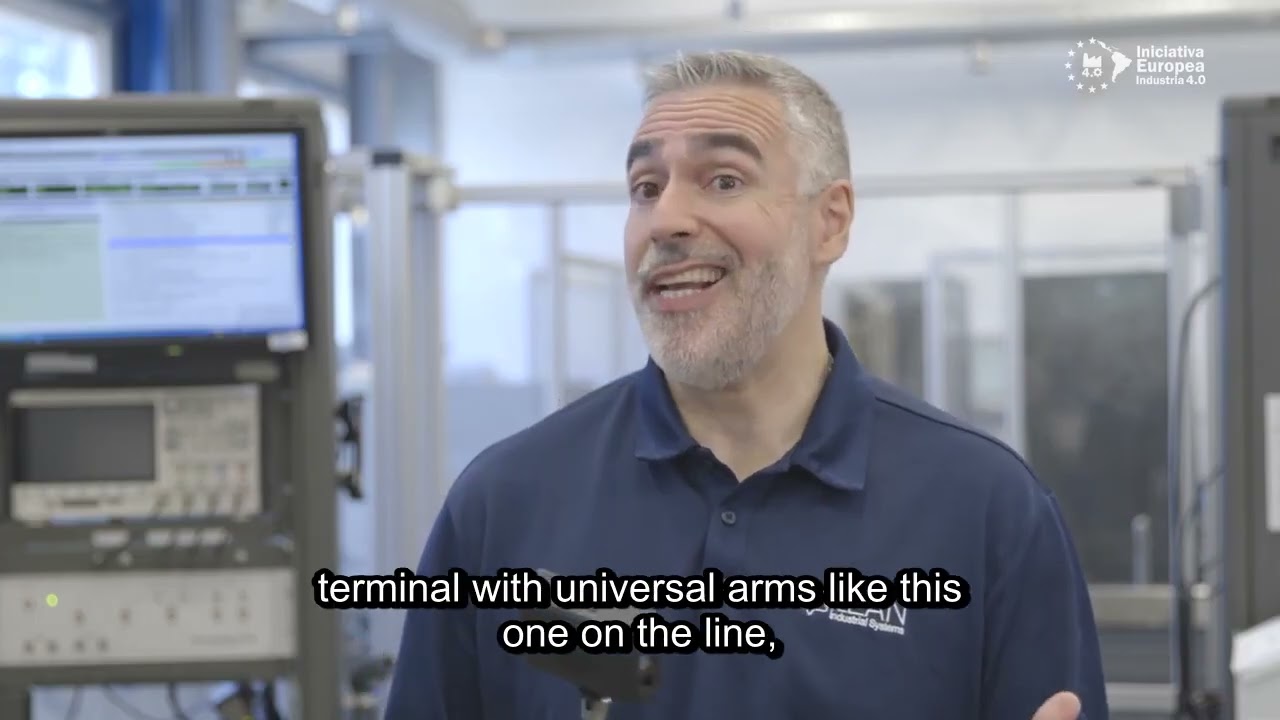
Here's a documentary filmed by the Iniciativa Europea 4.0 about one of my deployments in an aerospace factory. Note that the film is from 2021 (before the GPT explosion), and yet you can already see in it:
Industrial AI isn't new — it's just accessible now. Imagine what we can do with the latest versions of our multi-agent systems.
Four short clips from the documentary, each illustrating a technology block. The full film is right below.
A convolutional neural network detecting defects in the production of aerospace parts in real time, directly on the line.
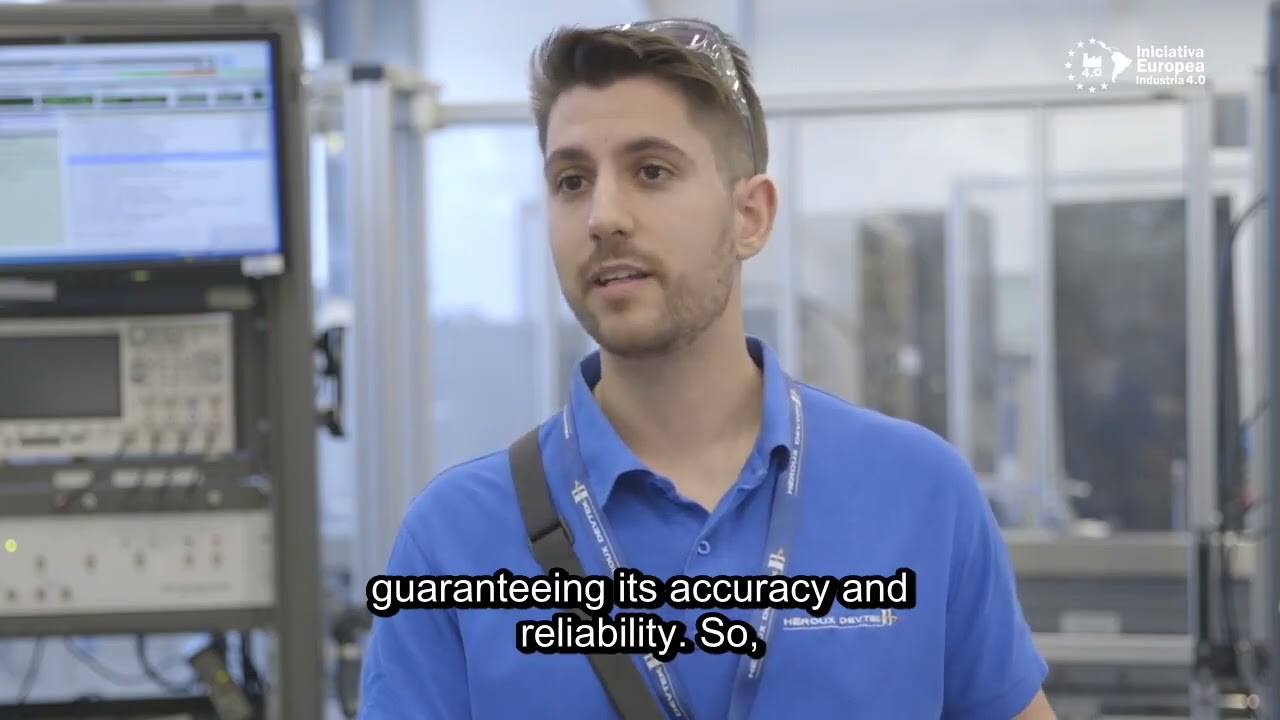
Automatic capture of nameplates and multi-page delivery notes feeding into the ERP with no human input.
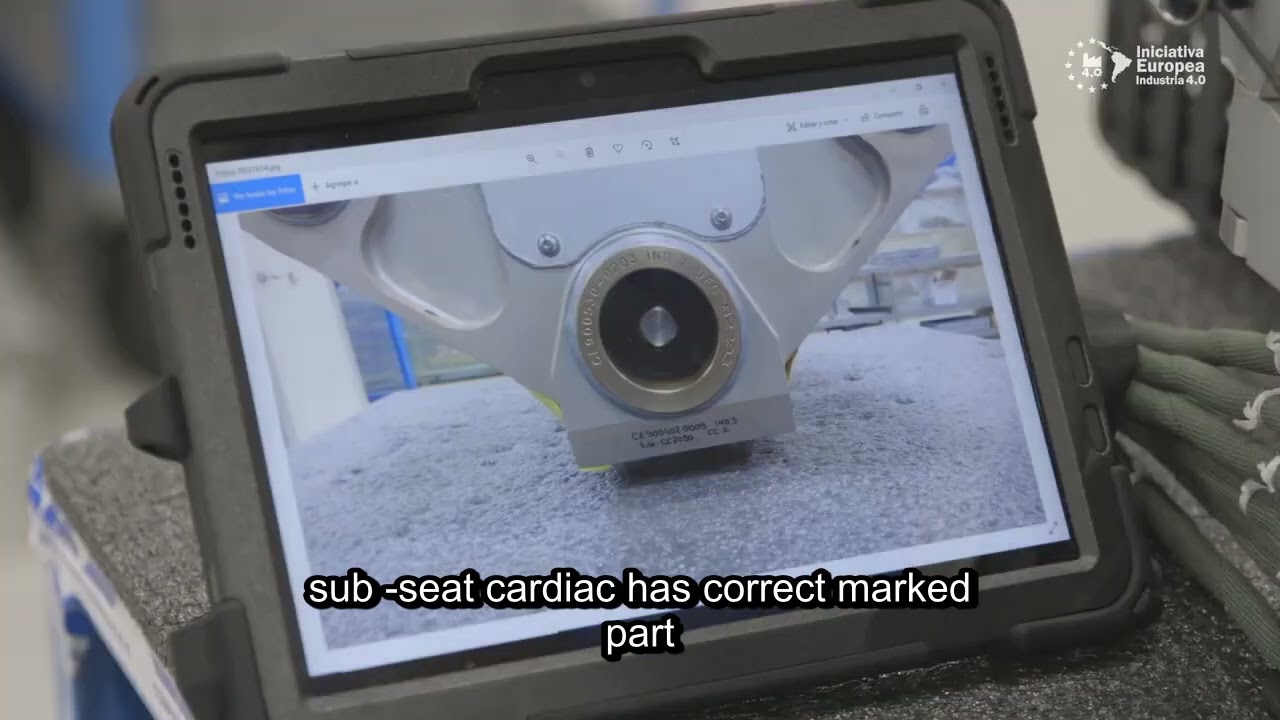
On a tablet, an AI trained on 250 commands guides the operator and records the answers back into the system.
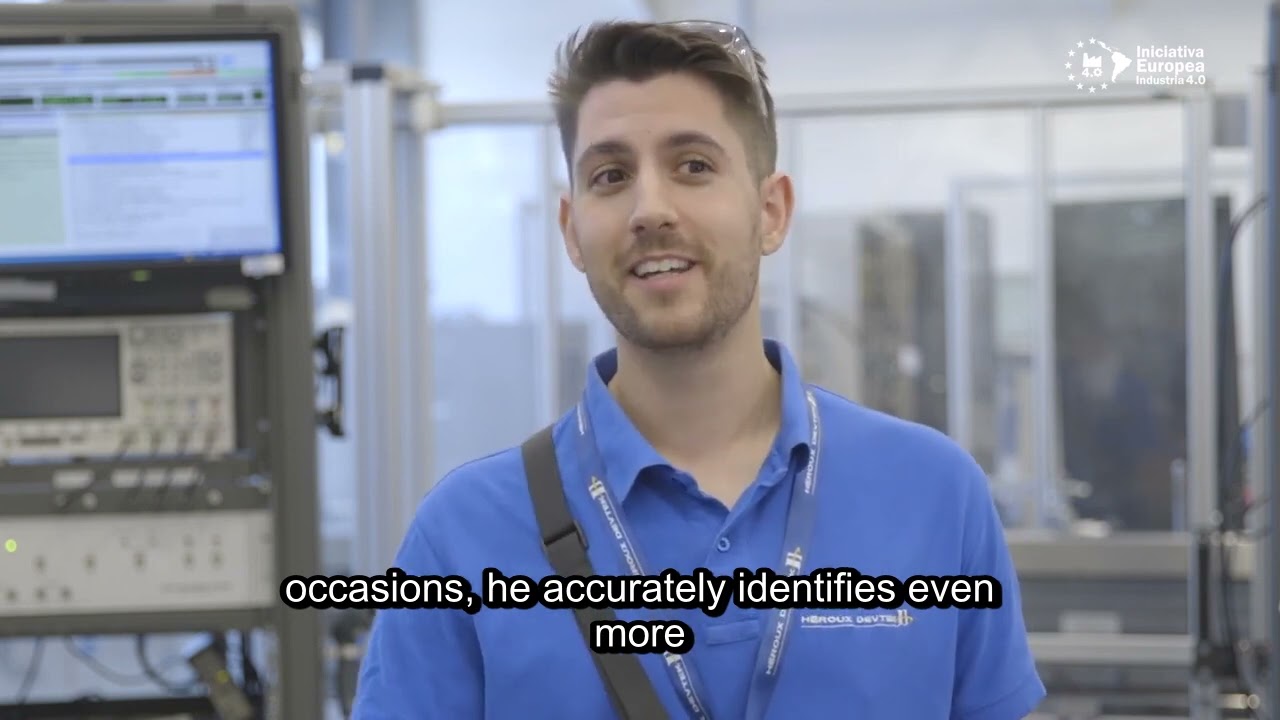
On request from an OEM (Airbus, Boeing…), the agent assembles the full per-part documentation and photo dossier.
The complete deployment, end to end, with industrial context and interviews. Produced in 2021.
No. The first generation of AI engineers has been deploying systems in factories since the late 90s, when LISP was still the language of choice. What's new is not industrial AI itself: what's new is that it's now accessible.
Narrow AI is engineered to solve one specific problem (detect a defect, recognise a command, read a code). LLMs are generalists that work in natural language and reason across open domains. On the shop floor, the deployment fundamentals (data, sensors, ERP integration, validation cycles) have not changed: what has changed is cost and accessibility.
Four:
(1) a convolutional neural network detecting oil leaks in a landing
gear piston;
(2) an AI-powered OCR digitising delivery notes and building traceability
without human input;
(3) a conversational NLP AI assisting operators with voice-based quality
control;
(4) a programmed AI agent generating evidence packs in minutes
for OEMs such as Airbus or Boeing.
Because the cost of models, hardware and deployment time has dropped by one or two orders of magnitude. What used to require 6 engineers and 9 months in 2010 is now done with multi-agent systems and a smaller team. Industrial AI is no longer the exclusive domain of OEMs with multi-million budgets.
The full 15-minute film is embedded at the bottom of this page. If you only want the key fragments, the four themed clips above cover them with their context.
Write to us. We read your message and we'll get back to you shortly.