Jay Lee has written the foreword to IRIS
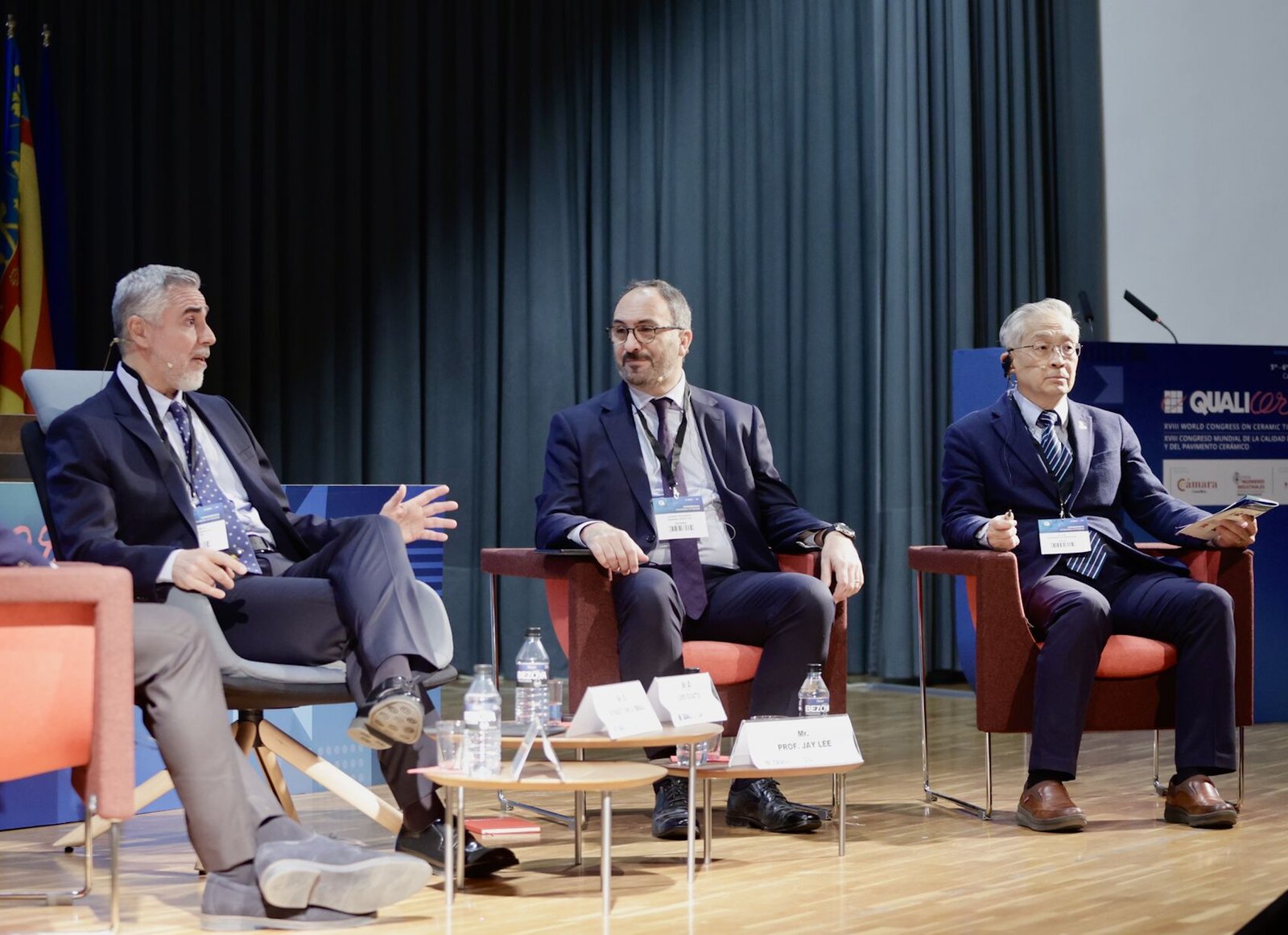
Jay Lee has written the foreword to my new book. We are friends, we have spent thirty years working on opposite sides of the same factory, and we arrived at the same conclusion from opposite ends. That is what this foreword is about.
Sebastian J. Brau's blog
Enter your email and you will get an alert when something new is published. Unsubscribe anytime.
Who Jay Lee is
Jay Lee is Clark Distinguished Chair Professor and Director of the Industrial AI Center at the University of Maryland. Before that he spent more than twenty years building a good part of what we now understand as industrial predictive maintenance: the idea that a machine can tell you how long it has left before it fails, and that this information is worth more than any scheduled inspection. He did it with real factories and real machine data, long before any of it was called industrial AI.
His side has always been the machine: getting information out of equipment. Mine has always been the plant floor: getting what operators know into a system that holds it when they are not there. Three hundred deployments on one side, two decades of research on the other, and the same sentence at the end.
The claim
IRIS stands for Industrial Reality Intelligence Systems. It is the category of software I have been deploying on plant floors for twenty-five years without having a name for it: systems that read the reality of the factory, the one that lives in the machines, on paper, in photos, in the operators' voices, and turn it into decisions the plant can execute without stopping.
The book makes one claim: factories with people empowered by AI will beat factories without people.
That is not a kind opinion about jobs. It is an observation about where the knowledge is. I told the story in the first piece of this series: in 1998, at Keraben, the AI that saved the star product of the fair knew nothing about the kiln on its own. It learned from operators who had spent years straightening tiles by hand. Without them there was no system. With them, the system anticipated the defect half an hour before it existed.
Twenty-eight years and three hundred plants later, that has not changed. The factory that removes its people to install AI ends up with an AI that knows nothing. The factory that gives AI to its people ends up with both.
Why his signature matters
Jay puts it in one line in the foreword:
Technology alone does not create winning factories. People do.
It matters because when the machine side and the plant side say the same thing, it has stopped being an opinion. Jay has spent his career making equipment talk, and he still holds that the person is the most valuable part in the plant. From his side and from mine, the conclusion is the same: short-cycle and long-cycle AI replace no one: they hold what people know when the people are not there.
He says it himself in the foreword, and he says it to the people who most need to hear it:
To CEOs considering a future with dramatically fewer people on the factory floor, I would offer a simple caution: do not confuse automation with competitiveness. Removing people may reduce labor costs, but it can also remove experience, innovation, and organizational learning.
And a little further on, the line that sums up the book better than its own title:
The future of manufacturing will not be determined by who deploys the most AI. It will be determined by who best integrates human intelligence, machine intelligence, and organizational knowledge into a system that continuously learns and improves.
Where to read it
IRIS came out on 28 September, in English and Spanish on the same day. The ebook is sold at iris-playbook.com, and the hardcover on Amazon. The series continues every Tuesday and Thursday with real cases, hour by hour, as they are in the book.